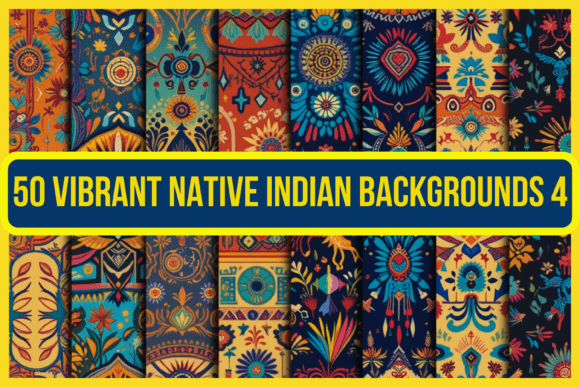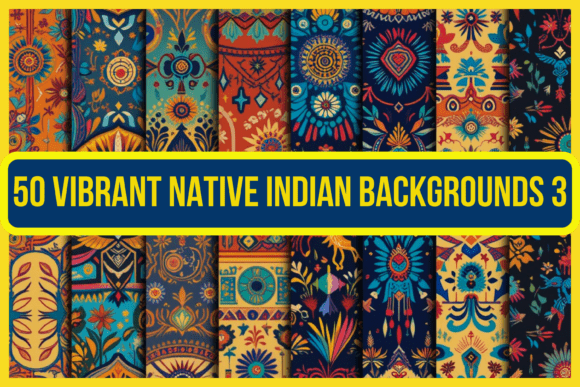
Exploring Native American Pattern Backgrounds 6: A Designer's Asset
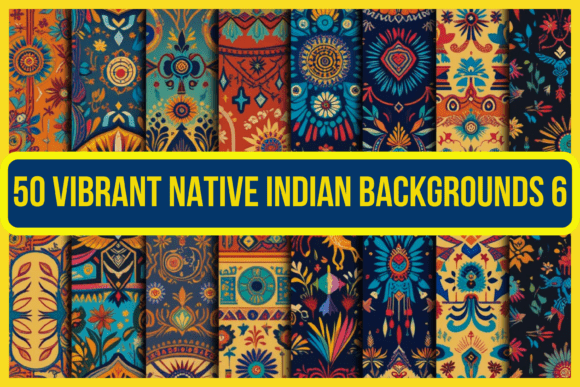
In the world of digital design, finding assets that carry genuine cultural weight and visual impact is a constant pursuit. Native American Pattern Backgrounds 6 represents more than just a collection of shapes; it is a curated set of design assets that taps into centuries of storytelling through geometry and color. For designers and content creators, this particular collection offers a blend of tradition and versatility that is hard to find in generic stock libraries. It captures the essence of Indigenous craftsmanship—think the tight weave of a Navajo rug or the precise beadwork of the Plains tribes—and translates it into digital formats ready for modern application.
What sets Native American Pattern Backgrounds 6 apart is its specific focus on high-utility file formats like PNG and SVG. While a standard JPG might suffice for a quick background, the inclusion of SVG (Scalable Vector Graphics) changes the game entirely. This vector capability means you can scale these intricate motifs from a small social media icon to a massive trade show banner without losing a single pixel of clarity. The designs themselves typically feature a sophisticated palette of earthy tones—terracotta, ochre, deep indigo, and turquoise—paired with bold geometric repetitions. These aren't just random shapes; they are visual languages where zigzags often represent water or mountains, and diamonds can symbolize the eye of a creator or the four corners of the earth.
Visual Personality and Practical Application
The personality of Native American Pattern Backgrounds 6 is grounded, organic, and authoritative. It avoids the sterile feel of modern minimalism, instead offering a textured warmth that can make a brand feel more approachable and established. For entrepreneurs and small business owners, this texture is invaluable. If you are building a brand identity for a wellness company, an outdoor adventure blog, or a sustainable goods shop, these patterns provide an immediate visual shorthand for authenticity and connection to the earth.
However, working with such visually dense design assets requires a strategic approach to visual hierarchy. Because these backgrounds are rich in detail, they function best when paired with clean, sans-serif typography for body text. Imagine using a bold, modern sans-serif font for a headline overlaid on a subtle, desaturated version of one of these patterns. The contrast creates a dynamic tension that draws the eye. Conversely, pairing these patterns with overly ornate script fonts or handwritten fonts can result in visual noise, making text unreadable. The goal is to let the pattern do the heavy lifting for the atmosphere while your typography handles the communication.
Strategic Integration for Brand Identity
When integrating Native American Pattern Backgrounds 6 into your projects, think beyond the obvious "wallpaper" application. These assets are powerful tools for creating brand consistency across different mediums. For instance, in packaging design, a specific motif from the collection could be used as a border element on a box or a fill pattern for a label. This repetition of specific geometric elements helps build brand recognition without overwhelming the consumer.
In the realm of digital marketing and social media graphics, these patterns excel at creating thumb-stopping content. A static Instagram post using a vibrant segment of the pattern as a frame can outperform generic solid-color backgrounds because it adds depth and context. For web design, using these as subtle background textures for hero sections or footers can break the monotony of flat design trends. The key is to use the PNG format for complex overlays where transparency is needed, and the SVG format for web elements where load speed and scalability are priorities.
Selecting and Licensing Your Assets
Choosing the right specific design from the Native American Pattern Backgrounds 6 collection depends entirely on the mood you intend to set. Darker, more contrasted patterns often convey strength and tradition, suitable for editorial design or luxury branding. Lighter, pastel variations of these motifs might be better suited for wedding invitations, baby shower themes, or lifestyle blogs aiming for a softer aesthetic.
Before finalizing your choice, always test the pattern in the specific context where it will be used. Place your logo over it. Test your paragraph text against it to ensure readability. Does the background compete with your call-to-action button? If so, you may need to add a semi-transparent overlay or a blur effect to push the pattern back visually.
Finally, regarding the commercial aspect, it is vital to understand the licensing of these design assets. While many resources offer "free" downloads, professional projects—especially those for clients or commercial sale—require clear commercial licensing. Ensure that the version of Native American Pattern Backgrounds 6 you acquire allows for the specific usage you need, whether that is print-on-demand merchandise, digital product sales, or client work. Treating these assets with the same legal diligence you would a premium font or a stock photo library protects your business and respects the cultural origins of the art.
Ultimately, Native American Pattern Backgrounds 6 offers a bridge between historical artistry and contemporary design needs. By utilizing these SVG and PNG assets thoughtfully, you can elevate a flat design into a rich narrative, giving your projects a visual foundation that is both timeless and deeply engaging.