Brown Leather Tufted Texture: A Designer's Guide
There’s an immediate sense of weight and history that comes with a richly textured surface. It’s the kind of visual depth you can almost feel, a quality that grounds a design and gives it substance. This is the core appeal of the Brown Leather Tufted Texture Backgrounds. It’s more than just a pattern; it’s a digital asset that brings a tangible, sophisticated warmth to any project. As a designer, I find myself reaching for textures like this when a project needs to communicate reliability, luxury, or a classic, enduring style. It’s a versatile tool that speaks a visual language of comfort and quality.
Anatomy of the Texture: More Than Just a Surface
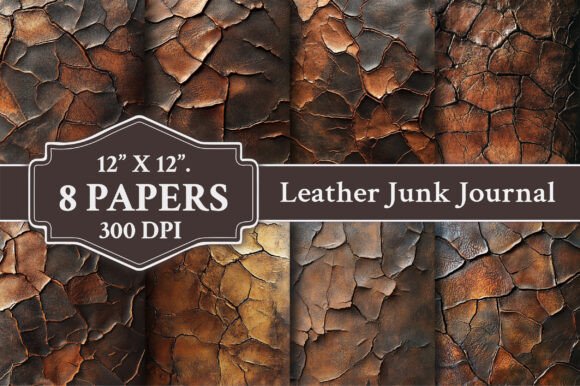
Let’s break down what makes this particular digital paper pack so effective. The "tufted" element is key. It’s not a flat, uniform leather; it features a deliberate, quilted pattern with subtle shadows and highlights that create a three-dimensional effect. This adds a layer of tactile realism that a simple color fill or a basic texture can’t achieve. The brown itself is a warm, earthy tone—think of a well-worn leather armchair or a classic satchel. It has enough variation to feel authentic, avoiding the artificial look of a single, solid color.
The personality of this background is one of understated confidence. It doesn’t shout for attention, but it commands respect. It’s the visual equivalent of a firm handshake or a perfectly tailored blazer. This makes it an exceptional choice for projects aiming to establish trust and credibility. For a small business owner creating packaging or a blogger designing a header, this texture instantly elevates the perceived value of the content it supports. It suggests that what’s being presented is crafted with care and attention to detail.
Where This Texture Truly Shines: Practical Applications
The strength of a great design asset is its versatility. The Brown Leather Tufted Texture Backgrounds excel across a surprising range of applications, both digital and print. Its high-resolution (3600x3600 pixels at 300 DPI) ensures it remains crisp and detailed, whether it’s viewed on a high-definition screen or printed on a physical product.
Digital and Branding Projects
In the digital realm, this texture is a powerhouse for building a strong brand identity. Imagine it as the background for a logo design presentation, giving the proposed brand mark an immediate sense of established elegance. It works beautifully for:
- Website Headers and Footers: Using it as a subtle, full-width background section can add depth and break up monotony on a webpage.
- Social Media Graphics: It provides a perfect, non-distracting backdrop for quotes, announcements, or product photos, especially for brands in the lifestyle, men’s fashion, or artisanal goods spaces.
- Presentation Slides: A single slide using this texture as a background can create a powerful, professional anchor for a key point.
- Desktop Backgrounds: For personal use, it offers a calm, sophisticated workspace aesthetic.
Print and Physical Applications
Where this texture truly becomes transformative is in print. The tactile suggestion it carries translates perfectly to physical items. Consider its impact on:
- Invitations and Greeting Cards: For a wedding, milestone birthday, or formal event, this background sets a tone of classic refinement. Paired with a clean sans serif font or an elegant script font, the result is stunning.
- Packaging Design: For a small business, using this texture on a product box, sleeve, or printing labels can instantly position the product as premium. It works exceptionally well for gourmet foods, spirits, leather goods, or high-end cosmetics.
- Editorial and Scrapbooking: In editorial design, it can serve as a rich background for chapter title pages or pull quotes. For crafters and hobbyists, it’s a perfect digital background for scrapbooking layouts, adding a layer of texture and interest.
Integrating the Texture: A Practical Guide for Designers
Simply dropping a texture onto a canvas isn’t enough. To use the Brown Leather Tufted Texture Backgrounds effectively, you need to think like a strategist. Here’s my practical advice for integrating it seamlessly into your workflow.
Evaluating Fit and Font Pairing
First, consider your project’s core message. Does "classic luxury" or "rugged reliability" align with your brand? If you’re designing for a tech startup focused on minimalism, this might be too heavy. But for a boutique law firm, a whiskey distillery, or a custom furniture maker, it’s ideal. When it comes to typography, the texture’s density means your text needs to stand out clearly. This is where font pairing is critical. Avoid complex display fonts or overly decorative handwritten fonts as body text. Instead, opt for:
- A strong, clean sans serif font for headlines and body copy to ensure maximum readability.
- A classic serif font for a more traditional, editorial feel.
- A simple, bold script font used sparingly for accents or monograms, ensuring it has high contrast against the brown background.
Always test your text on the texture at the final size. What looks good on a large monitor may become illegible when scaled down for a mobile screen or a small label.
Leveraging the Digital Paper Pack
This particular product is a digital paper pack, which is a fantastic format for designers. The instant download means no waiting for shipping, and the included files (typically JPGs in a zip file) are ready to use immediately in any design software like Adobe Photoshop, Illustrator, Canva, or Affinity Designer. Because it’s a commercial font asset (in this case, a commercial texture), you get the license to use it in client projects and for sale, which is a huge advantage for freelancers and small agencies. The eight variations included in the pack likely offer different angles or lighting on the tufted pattern, giving you flexibility to find the perfect fit for each specific layout.
In the end, the goal of any design asset is to solve a visual problem. The Brown Leather Tufted Texture Backgrounds solve the problem of adding depth, warmth, and professionalism. They are a quiet workhorse that can unify a brand identity, enhance web design, and make physical products feel more substantial. It’s a tool that, when used with intention, can significantly influence audience perception and engagement, making it a worthy addition to any creative’s toolkit.