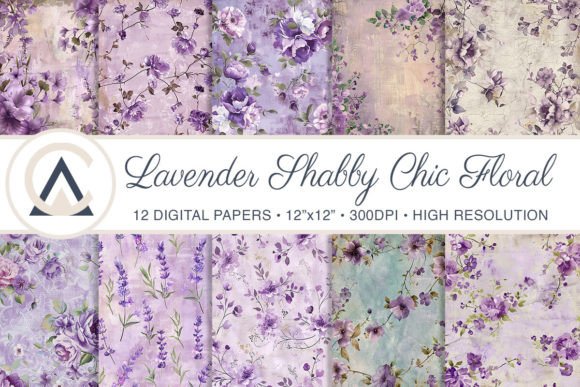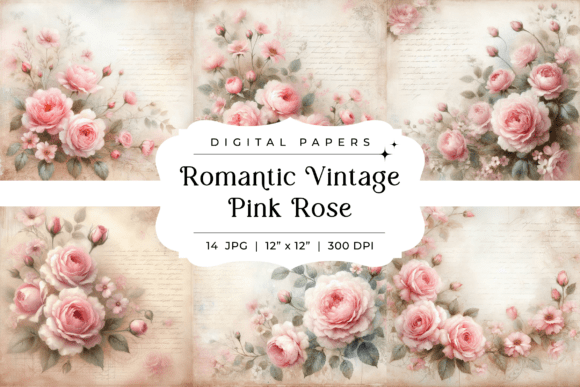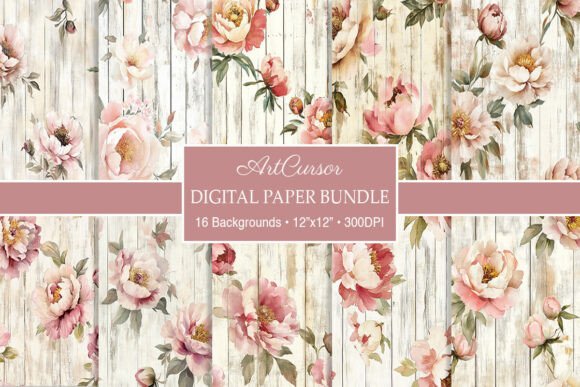
Botanical Herbs Shabby Chic Backgrounds: A Guide to Using Them
The Enduring Appeal of Shabby Chic Design
In a digital world saturated with bold gradients and sharp, geometric patterns, there's a distinct comfort in designs that feel organic, lived-in, and timeless. This is the core appeal of the shabby chic aesthetic. It’s a style that embraces imperfection, soft color palettes, and vintage textures to create a sense of warmth and nostalgia. When you pair this gentle, distressed look with the classic elegance of botanical illustration, you get something truly special: Botanical Herbs Shabby Chic Backgrounds. These aren't just patterns; they are a design language that speaks of nature, tranquility, and a handcrafted sensibility.
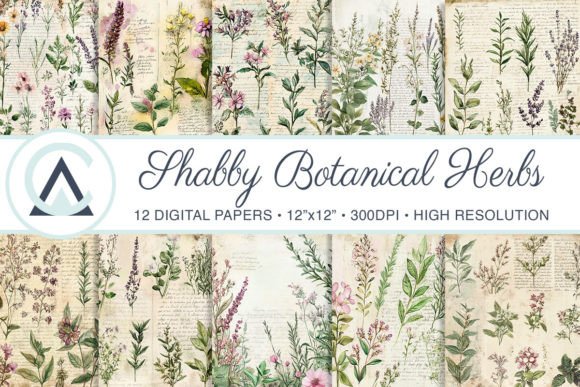
Imagine the delicate lines of lavender sprigs, rosemary branches, and chamomile flowers, rendered in soft, muted tones. Now, picture that illustration overlaid on a texture that suggests aged paper or a well-loved linen tablecloth. The result is a seamless background that feels both sophisticated and approachable. The "stamperia" aspect hints at a vintage, printed quality, as if these patterns were block-printed by hand in a small Italian workshop. This style avoids the clinical feel of modern vector art, offering instead a rich, tactile quality that can elevate a simple project into a memorable piece of design.
Practical Applications for Designers, Crafters, and Entrepreneurs
The true value of a versatile premium font or design asset lies in its utility. These Botanical Herbs Shabby Chic Backgrounds are designed as a foundational element for a wide array of creative projects. For graphic designers and brand strategists, they offer a quick way to infuse a brand with personality. A small business owner creating artisanal soaps, organic teas, or handmade jewelry could use these patterns to build a cohesive brand identity that communicates natural ingredients and careful craftsmanship. Think of the pattern as a key part of your packaging design, wrapping paper, or even a subtle texture for your website.
For content creators, marketers, and bloggers, the applications are just as practical. These backgrounds are perfect for creating engaging social media graphics that stand out in a fast-scrolling feed. Use them as a base for quote cards, promotional announcements, or behind-the-scenes photos to add a layer of visual depth and brand consistency. In editorial design, such as for a magazine layout, a cookbook, or a wellness blog, these patterns can serve as elegant page borders, chapter dividers, or full-page backgrounds for text-heavy sections, improving the overall reading experience without distracting from the content.
Of course, the world of physical products and personal crafts is where these backgrounds truly shine. The product description mentions a host of possibilities, and for good reason. The high-resolution, 300 DPI files ensure that whether you're printing on paper or fabric, the result is crisp and professional. Here are a few ideas:
- Stationery and Paper Crafts: Design unique wedding invitations, greeting cards, or scrapbook pages with a cohesive, handmade feel.
- Journals and Planners: Create custom covers for junk journals, planners, or notebooks that inspire creativity.
- Home Decor: Print the patterns onto fabric for throw pillows, tea towels, or framed wall art to add a touch of rustic charm to an interior space.
- Apparel and Accessories: Use the seamless pattern for all-over prints on t-shirts, tote bags, or scarves for a boutique clothing line.
- Gifts and Merchandise: Personalize mugs, coasters, or gift wrap for a thoughtful, custom touch.
Integrating the Background into a Cohesive Design System
Using a patterned background effectively requires a thoughtful approach to the rest of your design elements, especially typography. Because the Botanical Herbs Shabby Chic Backgrounds are detailed and have a strong personality, your choice of typeface is critical for maintaining readability and visual hierarchy. The goal is to create a harmonious pairing, not a competition for attention.
For headlines, you might consider a serif font with a classic, slightly rustic feel to complement the vintage aesthetic. A clean, sturdy sans serif font can also work beautifully, providing a modern counterpoint that ensures text remains highly legible against the textured background. Avoid overly ornate script fonts or complex handwritten fonts for body copy, as they can become difficult to read. Instead, save them for small, impactful accents like a monogram or a single decorative word.
When you download a set of these digital papers, you'll typically receive files in formats like PNG and JPEG. A PNG file is ideal if you need a transparent background or want to layer the pattern with other elements in software like Adobe Photoshop or Canva. A JPEG is perfect for direct use in documents, presentations, or print-ready files. The key is to experiment. Test different font pairing options, adjust the opacity of the background, or use a solid color overlay to mute the pattern slightly, ensuring your foreground text or graphics pop. By treating these backgrounds as one component within a larger design assets library, you can build a versatile and professional visual system that enhances your logo design